“fermented bean curd” search results (57000)
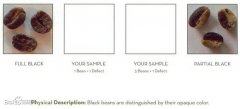
SCAA Fine Coffee Grading All kinds of defective beans
Whole black beans/partial black beans Appearance characteristics: black opaque raw beans Cup sensory characteristics: diversity: fermented flavor, sharp choking flavor, turbidity, mildew, sharp sour flavor, chemical stimulation flavor and other single or multiple odors mixed. Cause: Excessive fermentation, leading to microbial invasion infection. Whole/partial sour beans Appearance characteristics: Raw beans have a yellow, tan or reddish brown appearance, usually
2015-11-03 SCAA Fine Coffee Grading amp Various Flaw Black Bean Partial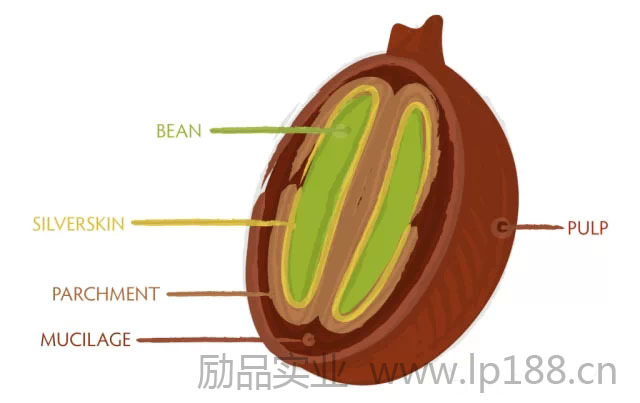
Coffee knowledge: introduction to the anatomy of coffee fruit and the grade of honey treatment
1. Coffee fruit anatomy map Coffee fruit is divided into five layers, as shown in the figure: these five layers are: 1. Skin/Pulp: the outermost layer of coffee beans is covered with berry-like skin and pulp. In addition to the natural sun method, coffee beans treated by other methods must remove the skin and flesh within a few hours after picking. Similar to it is the cherry we often eat, but different
2015-12-09 Coffee knowledge point fruit anatomy treatment grade introduction coffee
What is washing treatment?
1, choose beans: put the harvested fruit in a water tank and soak for about 24 hours. At this time, ripe fruit will sink, while immature and overripe fruit will float up and can be removed. 2. Remove the pulp: use a machine to remove the skin and pulp, leaving only the coffee beans wrapped in the endocarp. At this time, there is a layer of mucous membrane on the outside of the beans, and the process of washing is to wash this.
2016-09-01 What washing processing selecting beans harvesting fruit putting in filling water sink soaking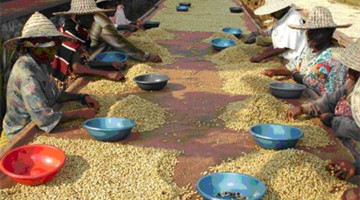
Processing methods of raw coffee beans processing methods and steps of raw coffee beans
The processing method / step of raw coffee beans peeling the peel and most of the pulp by mechanical or manual means. Fermentation removes the mucus and film from the core by fermentation. as the length of fermentation time will affect the flavor of coffee, each manufacturer has its own fermentation time. (3) the drying method is mainly divided into natural sun drying and natural air drying. Excessive water content
2016-03-22 Coffee raw beans processing methods processes steps coffee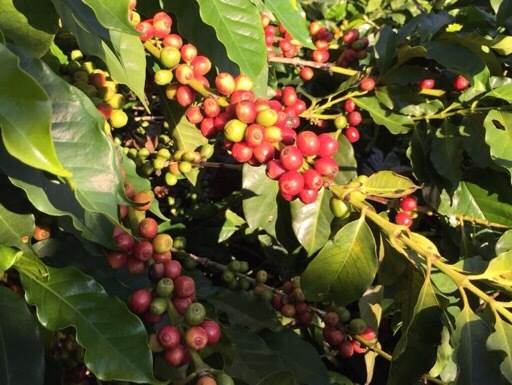
What is washing treatment?
1, choose beans: put the harvested fruit in a water tank and soak for about 24 hours. At this time, ripe fruit will sink, while immature and overripe fruit will float up and can be removed. 2. Remove the pulp: use a machine to remove the skin and pulp, leaving only the coffee beans wrapped in the endocarp. At this time, there is a layer of mucous membrane on the outside of the beans, and the process of washing is to wash this.
2015-07-15 What washing processing selecting beans harvesting fruit putting in filling water sink soaking
Analysis on the treatment process of coffee beans which is better by washing coffee or drying coffee
1. Peeling removes the peel and most of the flesh by mechanical or manual means. two。 Fermentation removes the mucus and film from the core by fermentation. as the length of fermentation time will affect the flavor of coffee, each manufacturer has its own fermentation time. 3. The drying method is mainly divided into natural sun drying and natural air drying. Excessive water content can easily lead to mildew and insect growth of raw coffee beans.
2015-11-04 Coffee washing drying which coffee beans treatment process analysis peeling utilization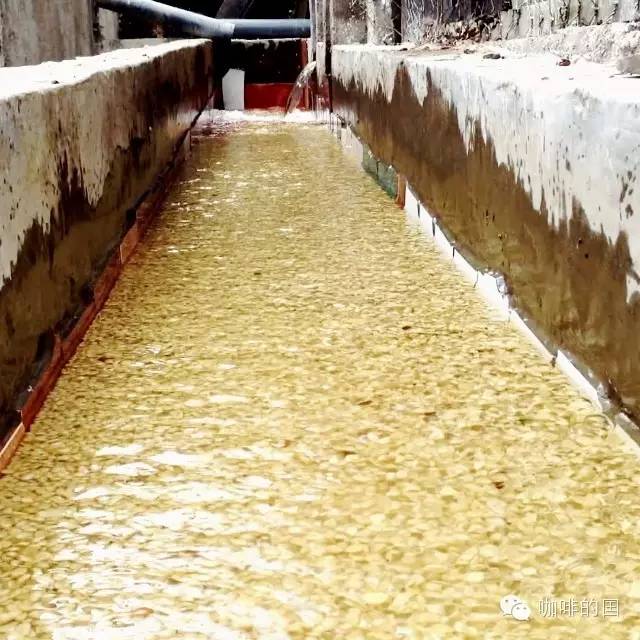
Treatment method of coffee washing raw bean-- water washing method of coffee raw bean
Water washing method for raw bean treatment because there is no sufficient sunshine in the West Indies, the Dutch introduced water washing, also known as WIB, around 1740, which is different from the traditional sun treatment, also known as OIB. Coffee beans exported from Java are often marked with WIB, which means washed beans. The treatment steps of the water washing method are as follows: 1. Select beans: put the harvested fruit in the water tank.
2016-03-23 Coffee washing raw beans treatment method washing method
Introduction to the treatment of raw coffee beans-washing method
Coffee washing began in the mid-18th century. In the washing process, the pulp of the coffee fruit (red cherry) is first removed, then the residual mucous membrane on the inner pericarp is removed by a fermentation tank, and the beans are washed and dried. The difference between the non-washing method and the water washing method is that the non-washing method is to remove the pulp after drying, while the washing method is to remove the pulp before drying. Washing can pass every step.
2014-07-22 Coffee raw beans washing method coffee bean treatment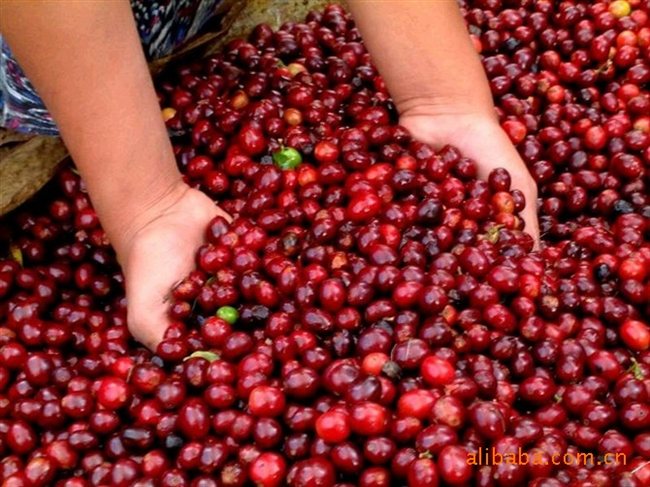
The evolution of coffee from fruit to raw beans to understand the change process of coffee beans
In the middle of the fruit of coffee is a pair of oval seeds, which are covered with outer skin, inner pulp and pulp. Ripe fruit spoils in a short time without treatment. Refining is to remove the skin and pulp of the coffee fruit, and then take out the seeds. Generally speaking, about 1 kg of raw coffee beans can be obtained from 5 kg of coffee fruit. The refining methods include drying type, washing type, and compromise between the two.
2016-01-04 Coffee fruit change raw beans evolution process understanding coffee beans artifacts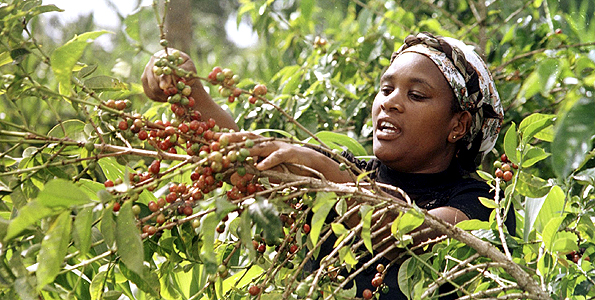
Coffee from fruit to raw bean dry washing semi-washing refined Colombian coffee beans
Coffee changes from fruit to raw bean there is a pair of oval seeds in the middle of the fruit, which are covered with outer skin, inner pulp and pulp. Ripe fruit spoils in a short time without treatment. Refining is to remove the skin and pulp of the coffee fruit, and then take out the seeds. Generally speaking, about 1 kg of raw coffee beans can be obtained from 5 kg of coffee fruit. The refining methods include drying and washing.
2016-03-29 Coffee fruit turn raw beans dried washed refined Colombian coffee beans
Steps of wet treatment of coffee after picking
As the harvest season is almost over, I would like to add an overview of the coffee processing process. In this blog post, I will introduce to you the steps of wet treatment in Yunnan after coffee picking. After harvest, the berries are either sent directly to the pulp collector (if the harvest is done well), or concentrated in a siphon tank filled with water. The berries are here.
2014-08-05 Coffee picking later processing step harvest season right away over here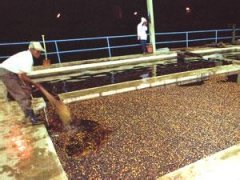
Introduction of water washing method for the treatment of raw coffee beans
Coffee washing began in the mid-18th century. In the washing process, the pulp of the coffee fruit (red cherry) is first removed, then the residual mucous membrane on the inner pericarp is removed by a fermentation tank, and the beans are washed and dried. The difference between the non-washing method and the water washing method is that the non-washing method is to remove the pulp after drying, while the washing method is to remove the pulp before drying. Washing can pass every step.
2014-09-18 Coffee raw bean raw bean treatment washing method
Explain the steps of wet treatment after coffee picking
As the harvest season is almost over, I would like to add an overview of the coffee processing process. In this blog post, I will introduce to you the steps of wet treatment in Yunnan after coffee picking. After harvest, the berries are either sent directly to the pulp collector (if the harvest is done well), or concentrated in a siphon tank filled with water. The berries are here.
2014-12-16 Coffee picking later processing steps explanation harvest season right away over.
Wet Processing of Yunnan Coffee Bean
We all know that there are two main types of coffee bean processing: dry processing and wet processing. This blog post has a detailed introduction from coffee trees to coffee. Next, let's look at the wet processing of Yunnan coffee beans. After harvesting, the berries are either sent directly to the pulp collector (in the case of a good harvest) or concentrated in a siphon tank filled with water. Berries in this
2014-09-10 Yunnan coffee beans
Fermented wine aroma, nuclear jujube, tea feeling in the sun Sidama coffee beans introduce fine coffee
Kaibedo is a small coffee cooperative in a small town in Dala, Sidamo Province. each small coffee farmer here has an average planting area of about 0.6 hectares and is composed of hundreds of coffee farmers. it is planted nearly 2000 meters above sea level, the climate varies greatly, and the soil is fertile, providing an excellent growing environment, and the raw bean itself exudes a strong aroma of raisins and fermented wine. Near
2016-06-28 Fermentation wine aroma nuclear jujube tea feeling sun Dharma coffee beans introduction boutique coffee
Introduction to the fermentation process of flavor and taste of price varieties of civet coffee
In the coffee industry, Kopi Luwak is widely regarded as a product with novelty as the selling point. The American Special Coffee Association (Specialty Coffee Association of America,SCAA) says the industry consensus is that it tastes bad. SCAA quoted a coffee expert as saying: obviously, the selling point of Kopi Luwak is its story, not its quality. Adopt SCAA
2016-09-20 Musk coffee price variety flavor taste fermentation process introduction
Saeco coffee machine can not put coffee powder coffee roasting, red wine treatment
Author: Fisher link: http://www.zhihu.com/question/28538203/answer/59123683 Source: Zhihu copyright belongs to the author. Commercial reprint please contact the author for authorization, non-commercial reprint please indicate the source. After SaSa won the WBC championship, the variety of Remy Sultan, as well as the red wine treatment method it used, once became a hot discussion in the industry.
2016-04-18 Saeco coffee maker can be put coffee powder coffee roast red wine processing making
Introduction of water washing method for the treatment of high-quality coffee and raw beans
Coffee washing began in the mid-18th century. In the washing process, the pulp of the coffee fruit (red cherry) is first removed, then the residual mucous membrane on the inner pericarp is removed by a fermentation tank, and the beans are washed and dried. The difference between the non-washing method and the water washing method is that the non-washing method is to remove the pulp after drying, while the washing method is to remove the pulp before drying. Washing can pass every step.
2015-04-17 Boutique coffee raw beans treatment method introduction washing starting from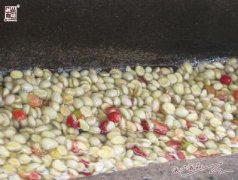
How to treat Yunnan coffee beans
As harvest season draws to a close, I would like to add an overview of the coffee processing process. In this blog post, I will introduce you to the wet processing steps after coffee picking in Yunnan. After harvest, the berries are either sent directly to a pulp collector (if the harvest is done well) or collected in a siphon tank filled with water. Berries are here.
2016-05-25 Yunnan coffee beans how processing wet planing harvest season immediately passed in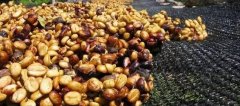
In addition to the sun, washing and washing, there is also a method called honey treatment.
Http://blog.seattlecoffeeworks.com/roastery/earth-honey-process/ do you know where coffee comes from? Today, we have carefully prepared this article for your readers. The article gives a rough account of how coffee beans change from fruit to mellow coffee. Among them, we focus on the raw bean treatment process of coffee, as well as
2015-09-10 Coffee processing methods in addition to the sun washing and a kind called honey English